Modern Korean History Books: Japanese Rule, Memory, and the Making of a Nation
Modern Korea’s story is one of transformation. Its rapid rise, political tensions, and national identity were shaped during a defining period of Japanese colonial rule in Korea (1910–1945) — an era that reshaped infrastructure, institutions, and society in ways that still echo today.
This carefully selected collection of modern Korean history books explores that era from multiple angles: colonial governance, wartime systems, social structures, and the long-term impact on South Korea’s development. Rather than taking sides, these works examine documented evidence, historical context, and the evolution of public memory.
If you’re trying to understand the Japanese occupation of Korea, looking for clarity on what comfort women were, or exploring how early 20th-century events shaped today’s Korea–Japan relations, these books offer depth, balance, and perspective.
Browse the selections below to discover titles that match your interest — whether you’re building knowledge, researching a topic, or simply curious about how history continues to shape the present.
1. Comfort Women Military Records and Archival Evidence
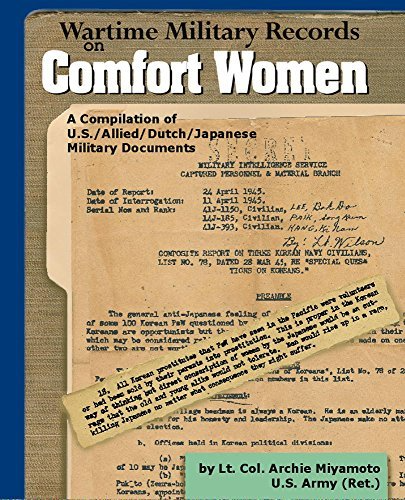
Archie Miyamoto: Wartime Military Records on Comfort Women
We begin with the uncomfortable silence of the archive. Archie Miyamoto, a retired U.S. Army infantry officer with decades of strategic experience in the Pacific, cuts through political storytelling by going straight to the evidence surrounding the system often described today as japanese comfort women. His compilation of U.S., Japanese, and Allied military documents offers a perspective frequently at odds with the modern political consensus.
By examining the dry, bureaucratic language of wartime planners, Miyamoto highlights a system categorized administratively during the era of the Japanese occupation of Korea. His inclusion of a Korean comfort station operator’s diary adds complexity to the discussion of the historical comfort woman system.
Miyamoto’s work, which includes a rare analysis of a Korean comfort station operator’s diary, is a stern reminder that the “official” record is often a fortress designed to protect the institution from the messy, agonizing reality of the individuals it consumes.
2. Japan’s Official Investigation and the Kono Statement
Government of Japan: The Comfort Women Case
While Miyamoto provides the military’s view, this volume represents the diplomatic and administrative pivot point of the early 1990s. This collection of documents and findings from the Japanese government’s own investigation serves as a foundational text for understanding comfort women japan and the official position adopted in the context of japan korea diplomacy.
It details the involvement of the Imperial Japanese Army in the establishment and management of “comfort stations,” providing the evidentiary basis for the subsequent Kono Statement.
For the researcher, this is not a narrative but a repository of the state’s own admissions. It is essential reading for understanding the legal and formalistic ways in which Japan attempted to reconcile with its neighbors, and it serves as the benchmark against which both activists and revisionists have argued for the last three decades.
3. Political Memory, and Japan and South Korea conflict
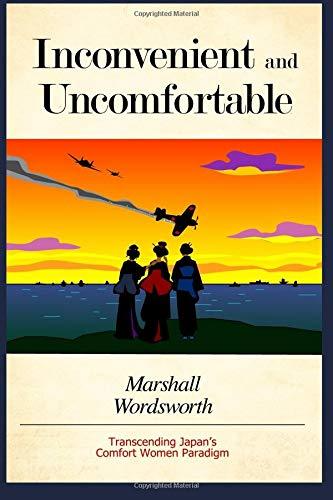
Marshall Wordsworth: Inconvenient and Uncomfortable
If Miyamoto provides the raw data of the past, Marshall Wordsworth examines the contemporary industry of grievance. Wordsworth’s critique of the “comfort women paradigm” is a necessary interrogation of how historical suffering is often reduced to diplomatic ammunition.
Drawing on Allied military documents and wartime brothel diaries, he reveals the political utility of shame and the moral hazards of using the dead as props for the living. This is a vital read for anyone attempting to decipher relations between South Korea and Japan today.
4. Gender, Society, and Structural Change in Colonial Korea
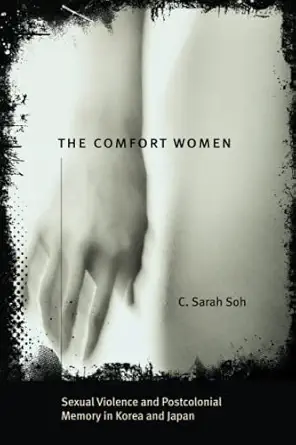
C. Sarah Soh: The Comfort Women
The most rigorous and devastating book on this list is C. Sarah Soh’s intersectional study. Soh refuses the easy path of blaming the foreign occupier for every ill, choosing instead to examine the rot within the Korean social structure itself during the era of the Japanese occupation of Korea. She illustrates with painful clarity how the intersection of Japanese military demand, Korean patriarchy, and and economic hardship created conditions that shaped the experience of many korean comfort women.
Soh’s work provides a roadmap for understanding how gender and class continue to influence South Korean political discourse today, and it remains the moral center of this selection.
5. Infrastructure and Economic Development Under Japanese Rule
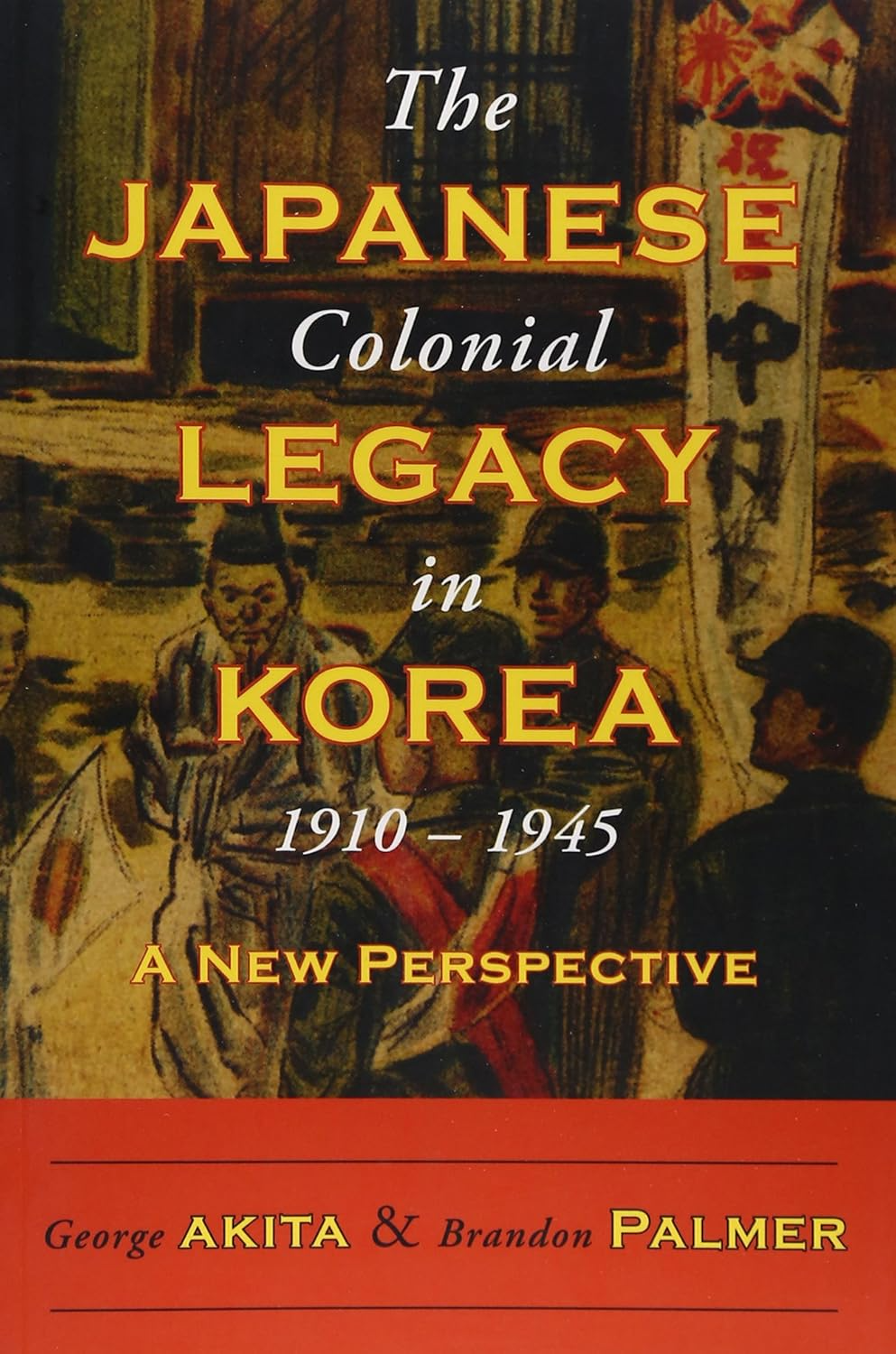
George Akita & Brandon Palmer: The Japanese Colonial Legacy in Korea, 1910–1945
To understand the South Korean “miracle,” one must look at the blueprint laid down during Korea under Japanese rule. Akita and Palmer offer a structural analysis of governance, infrastructure, and modernization during the colonial period. They argue that the Japanese administration left behind a legal and physical infrastructure: railroads, hospitals, and a bureaucratic skeleton, that was far more sophisticated than anything found in Western colonial holdings. This provided the very tools that eventually facilitated South Korea’s meteoric rise.
Their work is indispensable within serious modern Korean history books that explore how systems built during empire influenced the Republic that followed.
6. Cold War Origins of Modern Korea
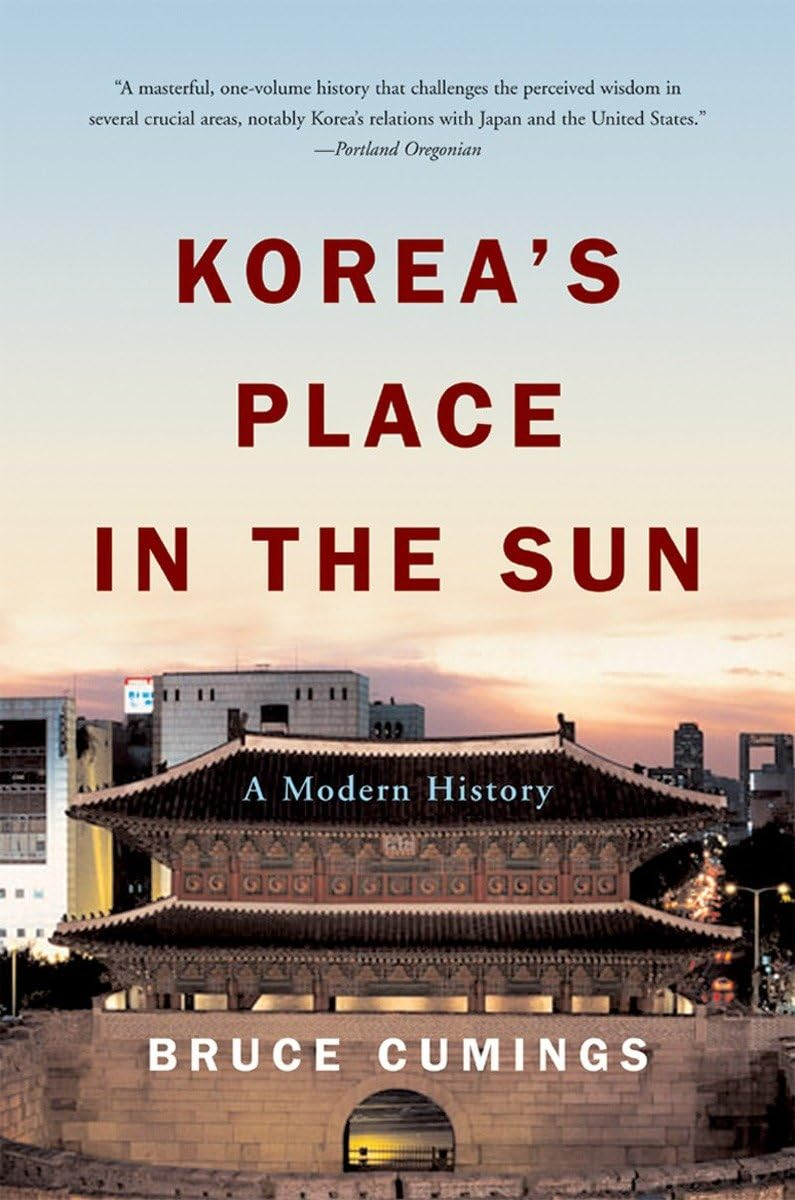
Bruce Cumings: Korea’s Place in the Sun: A Modern History
Finally, we must look at the global stage. Bruce Cumings, recipient of the Kim Dae-jung Academic Award and the John K. Fairbank Prize, situates Korea within Cold War geopolitics and remains the preeminent historian for understanding why Korea remains a divided house.
He argues that Korea’s division was the inevitable result of global superpowers treating a sovereign people as a tactical variable in the Cold War. He situates the rise of the South’s military-industrial complex within the broader context of American strategic interests, proving that the modern Republic is, in many ways, the ultimate product of the Cold War.
To read Cumings is to understand that South Korea’s “place in the sun” was bought at the price of a permanent, agonizing state of war.
History as a Living Document
These six volumes do not offer a unified theory of the Korean past. Instead, they present overlapping and sometimes competing interpretations that mirror the reality of the nation itself. From the institutional framework established during Korea under Japanese rule to the long shadow of the Japanese occupation of Korea, and the continuing debate surrounding comfort women japan, each work contributes a vital piece to a larger historical puzzle.
Understanding modern Korea requires more than headlines — it demands context, documentation, and perspective. If you are searching for serious modern Korean history books that examine the roots of today’s korea japan and japan korea tensions, this collection provides a carefully selected starting point.
Explore the titles above, compare viewpoints, and choose the works that best match your interests — whether you are building a research library, deepening your understanding of East Asian history, or seeking clarity on one of the most debated chapters of the 20th century.